Markets
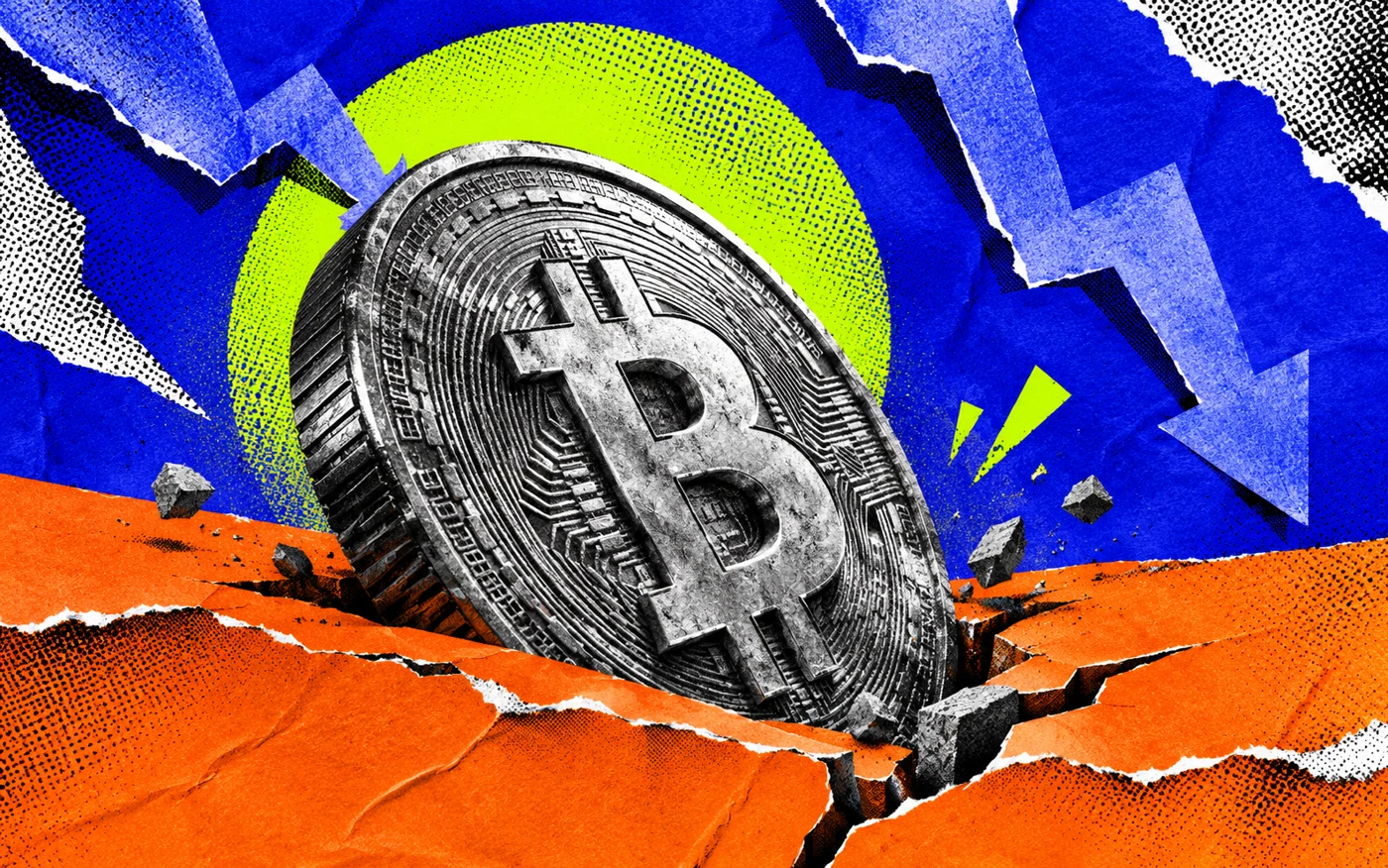
Bitcoin hits a 12-week low. What’s behind the sell-off?
A reported $71,200 low, a failed rebound and persistent ETF outflows. Here is the context behind Bitcoin’s slide.
Circle and Global Citizen outline a payments initiative for businesses behind Move Afrika.
Reported development: November 10, 2026

Circle and Global Citizen announced a multi-year partnership on November 10. The companies say participating Move Afrika vendors will be offered USDC as a payment option, beginning in Rwanda in 2027. The announcement focuses on the businesses, creators and production workers behind live events, alongside practical financial education and technical training.
The planned start is in 2027. It should not be presented as an already completed continent-wide rollout. The announcement describes ambitions to make payments more efficient; it does not provide a completed evaluation of costs, access or outcomes for the participating vendors. Those questions remain useful measures of the initiative’s eventual impact.
The culture angle makes this a useful story to follow beyond token prices. A payment tool becomes meaningful when it fits the ordinary work of sending invoices, receiving money and keeping records. The next reporting opportunity is the experience of actual participants: what they can use, what it costs and what support is available. Until then, the distinction between an announced partnership and a working service belongs at the center of the story.
Sources checked November 12, 2026. Company announcements are attributed to the issuing organization. “Our perspective” identifies editorial interpretation. Illustrations are conceptual.
A reported $71,200 low, a failed rebound and persistent ETF outflows. Here is the context behind Bitcoin’s slide.
TRON, Tether and Chainalysis announce a coordinated effort focused on illicit USDT activity.
A limited corporate payments pilot converts incoming USDC into dollar deposits.
Crypto news, clear explanations and a closer look at the ideas shaping digital assets.
Meet the journal